Health and Safety Policy for Cleaners Islington
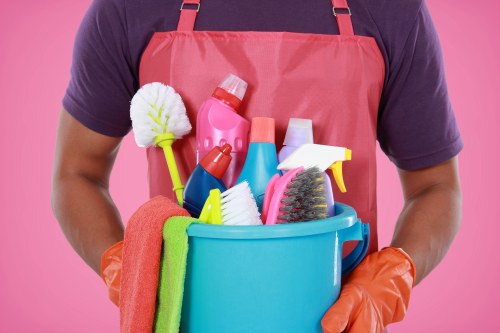 This health and safety policy sets out the standards expected from cleaners in Islington and explains how cleaning work should be carried out safely, responsibly, and consistently. The aim is to protect staff, clients, visitors, and anyone else who may be affected by cleaning activities. Every cleaner has a duty to work carefully, report hazards, and follow safe methods at all times. This policy applies to routine cleaning, deep cleaning, washroom cleaning, waste handling, and any task involving equipment, chemicals, or physical movement. It supports a workplace culture where safety comes first and where risks are controlled before work begins.
All cleaning operatives must be trained to recognise common hazards and understand the correct use of products and tools. The safest cleaning service is one where risks are identified early, controls are in place, and work is planned with care. Cleaners should never rush tasks in a way that creates danger. Instead, they must follow procedures that reduce the chance of slips, trips, falls, chemical exposure, manual handling injuries, and contact with waste or sharp items. Supervisors are responsible for making sure that each cleaner understands these rules and can apply them on a daily basis.
 Before starting any job, cleaners should assess the work area and decide whether the space is suitable for cleaning. Floors must be checked for wet patches, loose cables, damaged surfaces, clutter, or unstable furniture. Warning signs should be used where floors are being mopped or where a hazard may remain for a period of time. Equipment should be inspected before use, and any damaged item must be removed from service immediately. In a professional cleaning policy, prevention is always better than reaction, so early checks are essential.
Cleaning products must be handled in line with manufacturer instructions and site rules. Products should be stored securely, clearly labelled, and kept separate from food or personal items. Only approved substances should be used, and cleaners must wear any required personal protective equipment, such as gloves, aprons, or eye protection. When mixing or diluting chemicals, staff should take extra care to avoid splashes, fumes, or accidental reactions. Good ventilation is important, especially when using stronger products. A careful Islington cleaners health and safety policy also requires cleaners to wash hands after handling chemicals and before eating or drinking.
The safe movement of equipment and materials is another key part of this policy. Vacuum cleaners, mop buckets, trolleys, and supplies should be moved in a controlled manner to prevent strain or collision. Cleaners should use correct lifting techniques, avoid twisting while carrying loads, and ask for help when a load is too heavy or awkward. Repetitive tasks should be varied where possible to reduce fatigue. If a task involves reaching, bending, or extended standing, staff should take sensible breaks and use equipment designed to reduce physical stress. This approach helps maintain both efficiency and wellbeing.
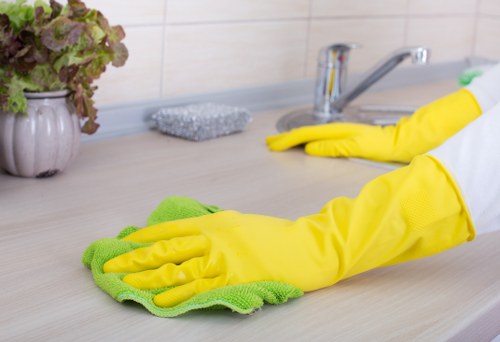 Waste disposal must be treated as a safety matter, not just a routine duty. Refuse should be bagged, tied, and removed without overfilling containers or creating a spill risk. Sharp items, broken glass, bodily fluids, and suspicious materials require special attention and must be reported immediately according to site procedure. Cleaners must never compress waste by hand or handle unknown items without proper protection. A reliable cleaner safety policy also requires that contaminated materials are isolated and disposed of in a controlled way so that no one is placed at unnecessary risk.
Personal protective equipment is essential whenever the task or environment demands it. Gloves should fit properly and be replaced when worn or damaged. Non-slip footwear should be used to reduce the risk of falls, especially on wet surfaces. Where there is a chance of splashing, face or eye protection may be required. PPE should be cleaned, stored, and checked regularly so that it remains effective. Staff must understand that PPE is the final control measure, not a substitute for safe working practices. A strong cleaning risk policy supports PPE with training, supervision, and sensible planning.
In the event of an accident, spill, injury, or near miss, cleaners must stop work if needed and report the issue without delay. First aid arrangements should be followed, and any area affected by a hazard should be made safe before work continues. Incidents should be recorded accurately so that lessons can be learned and future risks reduced. Managers should review repeated issues and take corrective action where necessary. This may include changing a product, adjusting a schedule, improving equipment, or updating instructions. Regular review helps ensure the health and safety standards remain current and effective.
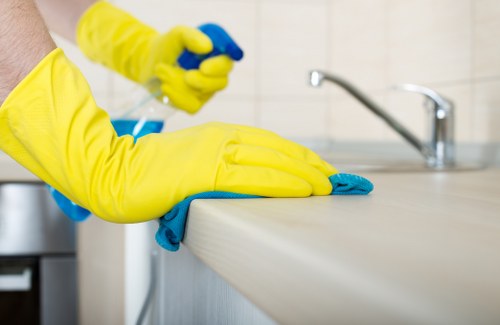 Training and supervision are central to a safe working environment. Every cleaner should receive induction training before beginning work and refresher training when procedures change or new risks are identified. Supervisors must monitor performance and correct unsafe behaviour promptly. Communication should be clear and respectful so that staff feel able to raise concerns about hazards, workload, or equipment. Safety is everyone’s responsibility, and a dependable Islington cleaning health and safety policy depends on cooperation at every level. When teams understand expectations, they are better able to maintain a safe, professional service.
Monitoring and continuous improvement complete the policy. Safety checks, equipment inspections, and incident reviews should be carried out regularly to make sure the standards remain effective in practice. If work methods become outdated or no longer suitable, they must be updated. Cleaners should be encouraged to suggest improvements where they notice a better or safer way to complete a task. This ongoing attention to detail supports a workplace that is both careful and productive, helping everyone involved to work with confidence.
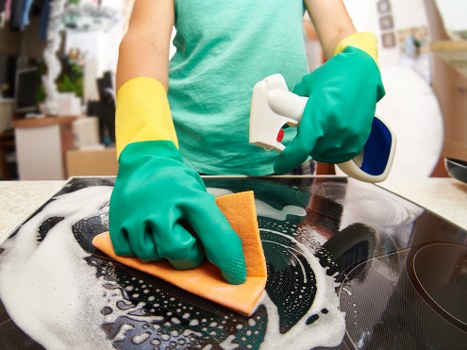 Ultimately, this cleaner health and safety policy is designed to create safe conditions for all cleaning activities while supporting high service standards. By following training, using equipment correctly, managing chemicals responsibly, and reporting hazards quickly, cleaners help prevent avoidable harm. Safe cleaning is not only a legal and professional requirement; it is also a practical commitment to care, discipline, and respect. Each cleaner plays a part in maintaining a safe environment, and this shared responsibility is the foundation of every effective cleaning operation.