What to know about hidden cleaning charges in Islington
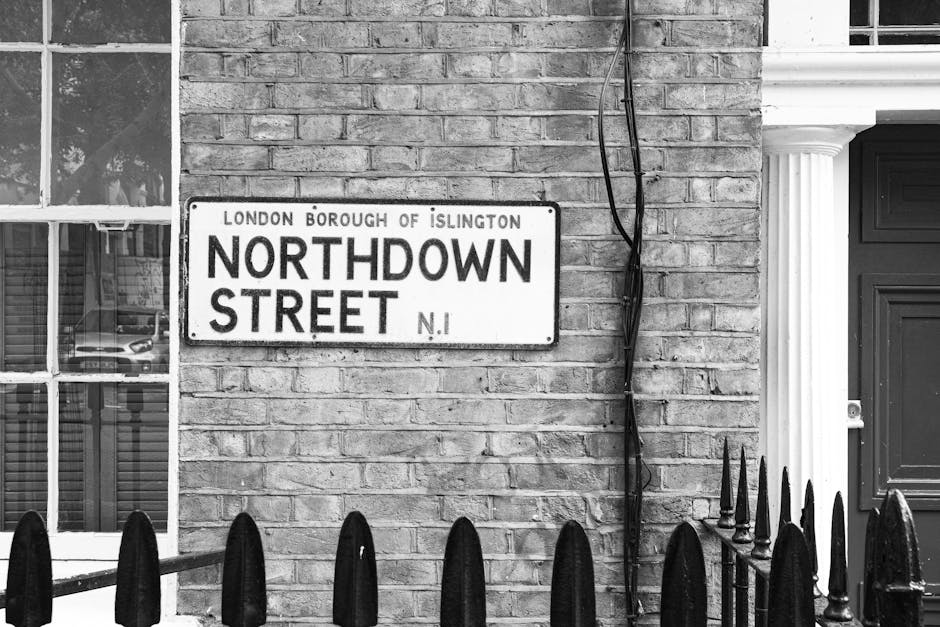
If you have ever booked a cleaner and then watched the final bill creep up, you are not alone. Hidden cleaning charges in Islington can turn a sensible quote into an awkward surprise, especially when you are already juggling a move, a rental deadline, or a busy weekday in north London. The good news? Most surprise costs are avoidable once you know where they tend to hide, how estimates are built, and what to ask before anyone starts polishing skirting boards or scrubbing ovens.
This guide breaks the topic down in plain English. You will learn how cleaning quotes are usually structured, which extra charges are common, how to compare providers properly, and how to protect yourself from vague pricing. We will also cover practical steps for tenants, landlords, homeowners, and local businesses who simply want a fair deal without the drama. Truth be told, half the battle is knowing what should be included in the first place.
Why hidden cleaning charges in Islington matter
Cleaning pricing is easy to skim past until you are the one paying it. In a place like Islington, where homes range from compact flats off Upper Street to larger period properties and busy shared houses, the actual cleaning job can vary a lot from one address to the next. That is exactly why hidden charges become such a headache. A quote may look tidy on paper, then suddenly there is an added fee for stain treatment, fridge cleaning, limescale removal, parking, extra rooms, or "heavy soiling".
Why does this matter so much? Because cleaning is often tied to a deadline. End of tenancy, pre-sale, post-party recovery, landlord inspection, office handover, or a simple deep clean before guests arrive. You usually do not have time to renegotiate line by line once the cleaners are already at the door. And let's face it, nobody enjoys the awkward moment of asking, "Sorry, is that included?" while standing in a hallway with shopping bags and a half-packed box.
It also matters because price confusion can lead to poor comparisons. One quote might seem cheaper than another, but if it excludes the oven, bathroom descaling, or internal windows, it may actually cost more by the end. Clear pricing helps you compare like for like, which is the only fair way to judge value. If you are exploring broader cleaning options, it can help to look at a provider's pricing and quotes guidance alongside their services overview so you can see what is normally covered.
How hidden cleaning charges usually work
Most hidden charges are not truly invisible. They tend to appear in the fine print, the assumptions behind the quote, or the "subject to inspection" part of the booking. In practice, the cleaner may give an initial estimate based on the size of the property, then adjust once they see the actual condition, access, and scope of work. That is not automatically unfair. Sometimes the price really does need to change. But it should be explained clearly before work begins.
Here are the most common ways extra charges show up:
- Room-count assumptions: A quote may be based on a one-bed flat, but the cleaner later counts a study, utility room, or separate WC as an extra area.
- Condition-based extras: Heavy grease, pet hair, mould, limescale, nicotine residue, or post-party mess can trigger add-ons.
- Specialist tasks: Oven cleaning, carpet treatment, upholstery care, and internal window cleaning may be priced separately.
- Access costs: Parking charges, congestion-related time, or difficult access can create added costs, especially in busy Islington streets.
- Minimum call-out fees: Small jobs can still carry a minimum charge, even if the task is quick.
- Supply and equipment differences: Some cleaners include materials; others charge for them, especially for stronger products or specialist stain removers.
A lot of the confusion comes from the word "deep clean". One company may mean a standard top-to-bottom clean. Another may mean a much more intensive service involving appliances, grout, and detail work. The phrase sounds reassuring, but it is not always standardised. A quick phone call can save you quite a lot of grief later.
For tenants in particular, hidden costs often appear at the end of a tenancy when expectations are high and time is short. If that is your situation, it may help to read about end of tenancy cleaning in Islington and compare it with related local guidance such as end of tenancy cleaning near Upper Street, Angel. Those pages can give you a better sense of how move-out cleans are typically framed.
Key benefits of understanding the small print
Once you know how hidden charges work, the whole booking process gets calmer. Less guesswork. Fewer surprises. Better decisions.
- You can compare providers fairly. A low headline price is not useful if essential tasks are excluded.
- You avoid budget creep. Small add-ons add up fast. One extra charge is manageable; four or five is annoying.
- You reduce conflict. Clear expectations mean fewer arguments when the job is finished.
- You can plan around deadlines. This is especially helpful for moving day, check-ins, or office reopenings.
- You get better value. Paying a bit more for a transparent quote is often cheaper than fixing a vague one.
There is also a quieter benefit: confidence. When you know what should be included, you can ask sharper questions and spot weak answers quickly. That matters whether you are booking a one-off domestic clean in a flat near Barnsbury or arranging regular support for a larger property. If you want to see how ongoing cleaning options are presented, you can also look at domestic cleaning in Islington and house cleaning in Islington.
Expert summary: The cheapest quote is rarely the best quote if it depends on assumptions you cannot verify. Ask what is included, what is optional, and what triggers a price change before you book.
Who this is for and when it makes sense
This topic matters to more people than you might think. Hidden cleaning charges are not just a tenant problem or a landlord problem. They affect almost anyone booking a service in an area with varied property types and busy access conditions.
Tenants
If you are moving out, you may face cleaning conditions in a tenancy agreement, especially around the state the property must be left in. The key risk is assuming a standard clean will satisfy a checkout inspection when the property actually needs more detail work. Oven, bathroom, appliances, and carpets can become costly if they were not discussed early.
Landlords and letting agents
For landlords, unclear pricing can create issues when turning properties around quickly. If a clean takes longer than planned because of damage, excess wear, or neglected areas, the final invoice can be more than expected. The better move is to clarify scope up front and keep a record of what was agreed.
Homeowners
People often think hidden charges only matter in rentals. Not true. Homeowners booking a spring clean, post-renovation clean, or pre-sale refresh can be caught out by special tasks such as paint dust removal, appliance interiors, or high windows.
Businesses and office managers
Office cleaning can be deceptively simple until you ask what happens after a staff event, a deep sanitising request, or an end-of-lease handover. If your workspace needs regular support, it is worth understanding the structure of office cleaning in Islington so you can decide whether a fixed plan or a custom quote suits you better.
In our experience, the people who benefit most are the ones with time pressure. Busy professionals. New movers. Parents trying to get a place ready before school Monday. People who would rather not spend a Saturday afternoon comparing carpet stain clauses. Fair enough, really.
Step-by-step guidance
If you want to avoid surprise charges, use a straightforward process. Nothing fancy. Just disciplined.
- List what actually needs cleaning. Be specific. Kitchen appliances, skirting boards, bathroom scale build-up, internal glass, upholstery, carpets, and storage spaces all matter.
- Describe the condition honestly. If there is heavy grease, pet hair, mould, drink spills, or post-renovation dust, say so. An accurate quote is better than a cheap fantasy.
- Ask what is included in the base price. Get clarity on labour, materials, equipment, and any standard tasks.
- Ask what costs extra. Do not wait for the invoice. Ask directly about parking, deep stain removal, oven interiors, fridge freezers, and high-level dusting.
- Check whether the quote is fixed or estimated. A fixed price offers more certainty. An estimate is fine too, but only if you know the conditions that can change it.
- Confirm access details. Parking restrictions, stair access, key collection, and lift availability can affect time on site.
- Read the terms before paying a deposit. Pay attention to cancellation policies, rescheduling charges, and any minimum booking requirements.
- Keep the written quote. A short email trail can save a lot of back-and-forth later. Old-school, yes. Useful, absolutely.
If you are booking a specialist job, it can also help to review linked service pages such as carpet cleaning in Islington or upholstery cleaning in Islington. Specialist cleaning often has different pricing rules from a standard domestic visit, and that is where confusion tends to sneak in.
Expert tips for better results
After a while, you start noticing the same pricing mistakes over and over. Here are the habits that save people money and stress.
- Use photos before quoting. A few clear pictures of the kitchen, bathroom, carpets, or problem areas help reduce guesswork.
- Separate standard cleaning from specialist work. If you need oven degreasing, limescale treatment, or carpet shampooing, ask for those items separately.
- Ask about product quality. Some tasks need stronger or more suitable cleaning solutions. You do not need a chemistry lecture, just a clear explanation.
- Be careful with "from" prices. They are fine as an entry point, but they are not a promise unless the conditions are tightly defined.
- Prefer written confirmations. A message confirming the scope is often enough to avoid disagreement later.
- Look at the service model. Some people need a one-off visit, while others need recurring support. The right structure can reduce add-on surprises.
One practical rule: if a quote sounds unusually low, ask yourself what has been left out. There is usually a reason. Maybe the cleaner is being generous. Maybe they are keen to win the job. Or maybe the extras are waiting in the wings. You know the feeling.
For regular home care, it can be useful to compare different service styles and understand when a recurring arrangement may be simpler. The pages for domestic cleaning and house cleaning can help frame that decision.
Common mistakes to avoid
The biggest mistakes are usually simple ones, which is why they catch people out.
- Assuming every company means the same thing by "deep clean". They do not.
- Not mentioning the property condition honestly. If the kitchen is very greasy, say so. Nobody wins from pretending otherwise.
- Forgetting access costs. In Islington, parking and timing can matter more than people expect.
- Ignoring cancellation and rescheduling rules. A missed slot can become expensive.
- Comparing only headline prices. That is how the cheapest job becomes the priciest by the end.
- Failing to ask about the invoice format. Will it show each item separately, or just one lump sum? Ask.
A quieter mistake is not understanding what "reasonable wear" versus "extra work" means in your own context. For example, a lightly used flat and a family home after a long tenancy are not the same kind of clean. It sounds obvious, but in a rush people often forget it. Happens all the time.
Tools, resources and recommendations
You do not need a complicated system to protect yourself. A few simple tools make a big difference.
- A written checklist: List every room and special task before requesting quotes.
- Phone photos or a short video: Helpful for showing the true condition of a property.
- A comparison note: Keep each provider's included items, exclusions, and extra charges in one place.
- Calendar reminders: Useful for checking cancellation windows and appointment times.
- Previous invoices: If you have booked cleaning before, compare what was actually charged last time.
When you are comparing providers, it can also help to look at their wider policies. Transparency, safety, and payment handling are all part of the overall picture. The pages on insurance and safety, payment and security, and terms and conditions are worth reading because they often explain how unexpected costs, claims, and booking terms are managed.
If you want broader context about the company and how it operates, about us can also be useful. It is a small thing, but it helps when you are deciding whether a provider feels credible and properly organised.
Law, compliance, standards and best practice
Cleaning pricing is not usually the kind of thing that has one dramatic legal rule attached to it, but there are still important standards to keep in mind. In the UK, service providers should be clear and not misleading about what they offer. That means a quote should not hide essential exclusions in a way that would reasonably surprise a customer. In plain English: if the price depends on assumptions, those assumptions should be stated.
For tenants and landlords, the agreement between both sides often matters just as much as the cleaning company itself. Tenancy terms may require a property to be left in a certain condition, but that does not automatically mean you must accept vague pricing. You still deserve a clear explanation of what is being charged and why. If a deposit deduction or checkout clean is involved, documentation becomes very important.
Best practice in this space usually looks like this:
- clear written scope before work starts
- itemised or at least clearly explained extras
- honest description of the property condition
- transparent cancellation and rescheduling terms
- no surprise charges added after the fact without justification
There is also a good customer-service standard at play. Even where a quote is technically an estimate, a reputable provider should still explain how the final figure may change and give you a chance to approve it. That is the difference between a professional service and a messy one.
For a better feel of service standards and how jobs are framed around a local area, some readers also look through the Barnsbury flat cleaning guide or the Highbury house cleaning guide. They are practical examples of how location, property type, and service scope can affect expectations.
Options, methods and comparison table
Not every quote works the same way. Here is a simple comparison to help you see the difference.
| Pricing style | How it works | Pros | Risks |
|---|---|---|---|
| Fixed price | A set amount agreed before cleaning starts | Predictable, easy to budget, fewer surprises | May exclude unusual problems if the scope was not described well |
| Estimated quote | A starting price that may change after inspection | Flexible for varied property conditions | Can rise if the condition or access is different from what was assumed |
| Hourly rate | You pay for time spent on the job | Useful for smaller or changing tasks | Less certainty; costs can climb if the clean is slower than expected |
| Task-based pricing | Each service is charged separately | Clear for add-ons like ovens or carpets | Can become expensive if you need several extras |
Which option is best? It depends on your situation. A fixed price is often comforting for move-outs and one-off cleans because you know where you stand. Hourly work can suit smaller jobs where the list changes as you go. Task-based pricing is useful when you want only specific areas tackled. The main thing is consistency: compare apples with apples, not a basket of apples with a half-baked pear situation.
Case study or real-world example
Picture a tenant in Islington who has just moved out of a two-bedroom flat. The quote looked straightforward at first: a standard end-of-tenancy clean. Nice and neat. But the property also had an integrated oven, a fridge freezer that had not been fully emptied in time, and a carpeted hallway with visible marks from moving furniture. The cleaner arrived, looked around, and explained that the original quote did not include those extras.
Now, that kind of scenario is not unusual. Nobody is being dramatic. The issue is simply that the original booking did not describe the property in enough detail. If the tenant had provided photos and asked what was included, the quote could have been adjusted in advance rather than at the door.
What would have helped?
- clear photos of the kitchen appliances
- an honest note about carpet marks and moving dust
- a direct question about what qualifies as an add-on
- written confirmation of whether the quote was fixed or estimated
The lesson is simple. Hidden charges are often preventable, but only when the customer and provider are both working from the same brief. That is the real key. Not perfection. Just clarity.
Practical checklist
Use this before you book any cleaning job in Islington.
- Have I listed every room and special task?
- Have I described the condition honestly?
- Do I know whether the quote is fixed or estimated?
- Have I asked what is included in the base price?
- Have I asked about extra charges for ovens, carpets, upholstery, or windows?
- Do I know whether parking or access could affect the final cost?
- Have I checked cancellation and rescheduling terms?
- Do I have the quote in writing?
- Am I comparing quotes using the same scope?
- Do I understand what would trigger a price change?
If you can tick most of those off, you are already ahead of the game. Really, you are.
Conclusion
The main thing to know about hidden cleaning charges in Islington is that they are usually avoidable once the scope is clear. Most surprise costs come from assumptions, not mystery. A quote based on incomplete information can look attractive at first, but the price often shifts once the real condition, access, or extra tasks are understood.
So ask direct questions. Get the scope in writing. Compare like for like. And do not be shy about saying what is actually needed in the property. Whether you are arranging a move-out clean, a regular domestic visit, or a specialist deep clean, a transparent conversation early on is worth far more than a cheap headline price.
If you are planning your next clean, take the time to review the service details, compare pricing carefully, and choose the option that feels clear rather than clever. That small bit of care can save you money, stress, and a last-minute headache on an already busy day.
Get a free quote today and see how much you can save.
Frequently Asked Questions
What are hidden cleaning charges?
They are extra costs that are not always obvious in the first quote. Common examples include oven cleaning, stain removal, parking, deep soiling, or additional rooms.
Why do cleaning quotes change after inspection?
Quotes often change when the actual property condition is different from what was described. Heavy dirt, extra tasks, or difficult access can all affect the final price.
Are fixed-price cleaning quotes better than hourly rates?
Not always, but fixed-price quotes are usually easier to budget for. Hourly rates can work well for smaller or changing jobs, though they carry more uncertainty.
How can I avoid surprise charges for end of tenancy cleaning?
Give a full description of the property, share photos if possible, and ask exactly what the quote includes. It also helps to check the terms before booking.
Do cleaners in Islington usually charge for parking?
Some do, especially if parking is difficult or restricted. In busy parts of Islington, it is sensible to ask about this before confirming the visit.
What should be included in a standard domestic cleaning quote?
That depends on the provider, but standard tasks usually cover general surface cleaning, dusting, vacuuming, and bathroom and kitchen basics. Always confirm the exact scope.
Can a cleaner add charges after the job has started?
They can only justify extra charges if they have explained the reason clearly and, ideally, if you have agreed to the change first. Good providers make this process transparent.
What is the difference between deep cleaning and standard cleaning?
Deep cleaning is usually more intensive and detailed. Standard cleaning focuses more on routine upkeep. The exact meaning varies, so never assume the terms are identical.
Are carpet and upholstery treatments usually extra?
Often, yes. Specialist services such as carpet cleaning in Islington and upholstery cleaning in Islington may be priced separately from general cleaning.
What if I disagree with the final invoice?
Raise the issue calmly and ask for an itemised explanation. Written quotes, messages, and photos help a lot if you need to question unexpected charges.
Is it worth paying more for a transparent quote?
Usually, yes. A clearer quote often saves time, reduces stress, and lowers the risk of paying extra later. Cheap is nice. Predictable is better.
Where can I find more information about cleaning services in Islington?
You can explore the broader services overview and related guides for domestic, house, office, and end-of-tenancy cleaning to understand how different jobs are priced and scoped.