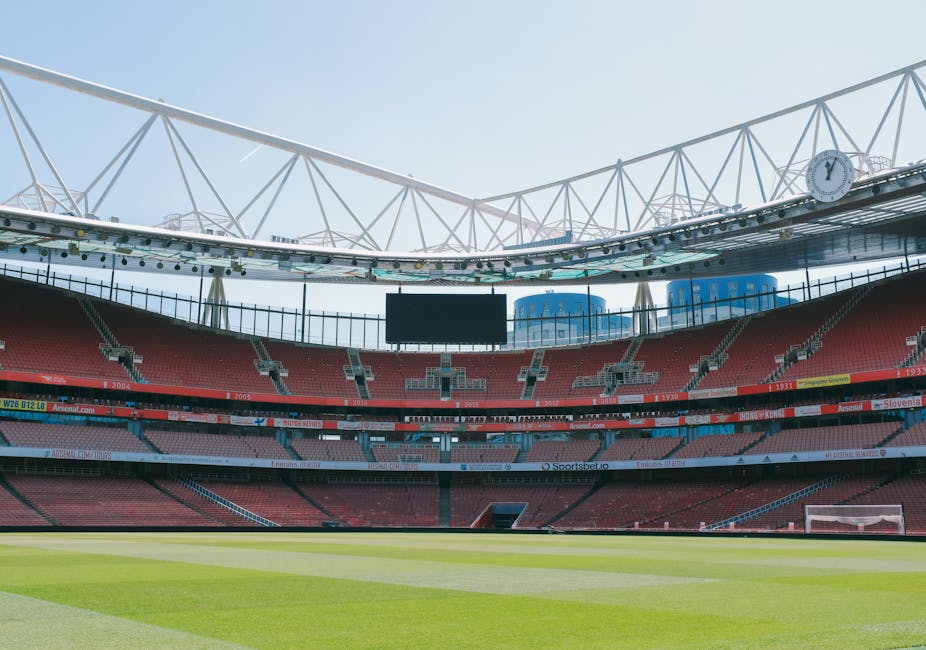
Access and parking delays for Islington cleaners Emirates Stadium: a practical local guide
If you have ever tried to organise cleaning near Emirates Stadium on a busy day, you will know the headache already: late arrivals, circling vans, awkward loading spots, and a schedule that starts slipping before the first cloth is even out of the bag. Access and parking delays for Islington cleaners Emirates Stadium are a real-world issue, not a minor inconvenience. They affect how long a clean takes, how smoothly a team can work, and whether a booking feels calm or chaotic.
This guide breaks down why the delays happen, how experienced cleaners plan around them, what customers can do to help, and which habits make the biggest difference. It is written for anyone booking cleaning in the Emirates area, from homeowners and landlords to office managers and letting agents. Truth be told, a little planning goes a long way here.
Why Access and parking delays for Islington cleaners Emirates Stadium Matters
Cleaning is one of those jobs where time is easy to lose in small chunks. A five-minute delay finding a space. Another five waiting for a door code. A few more while someone fetches a key. Around Emirates Stadium, those little pauses can stack up quickly, especially on match days, event days, school-run hours, or whenever local traffic gets heavy. And once the day starts running late, everything else tends to wobble too.
For customers, the impact is usually felt in three places:
- Timing: the cleaner may arrive later than planned, or need a wider arrival window.
- Scope: some services need to be adjusted if access is awkward or parking is distant.
- Cost and efficiency: extra walking time, delayed unloading, or multiple trips between the vehicle and property can affect the job flow.
For cleaners, the issue is not just inconvenience. It can affect equipment handling, team coordination, and whether the visit feels efficient or rushed. If a van cannot stop close to the property, heavy kit like vacuums, carpet machines, or chemical bottles has to be moved by hand. That sounds minor until you are doing it in drizzle, with a narrow pavement, and someone still trying to squeeze past. London, eh?
It also matters because the Emirates area has a very mixed pattern of access. Some addresses are straightforward. Others sit on busy roads, near controlled parking zones, or close to event traffic that changes the usual rhythm of the street. The cleaner who plans for that is usually the one who finishes on time and without stress.
Practical takeaway: around Emirates Stadium, good cleaning results often depend as much on access planning as on the cleaning itself. If the arrival, parking and entry steps are clear, the service usually feels smoother from the start.
How Access and parking delays for Islington cleaners Emirates Stadium Works
In simple terms, the process starts before the cleaner arrives. A reliable cleaning visit near Emirates Stadium normally includes pre-checks for address access, arrival time, parking options, lift use if relevant, and any building rules that could slow the job down. This is especially important for commercial cleaning, office cleaning, and larger domestic bookings where equipment or multiple staff members are involved.
Here is how it usually plays out in real life:
- The customer shares the property details, including entry instructions and any restrictions.
- The cleaner reviews likely parking pressure, local traffic, and the time of day.
- If needed, the schedule is adjusted to allow a little more arrival flexibility.
- The team arrives, unloads efficiently, and begins the clean with the least possible delay.
- If parking or access is tighter than expected, the cleaner adapts without compromising safety.
That sounds neat on paper. In practice, delays often come from one of four places:
- Parking availability: no nearby bays, loading restrictions, or full streets.
- Building access: gated entry, porters, fobs, intercoms, or locked communal areas.
- Traffic spikes: match days, event traffic, deliveries, or normal North London congestion.
- Job size and equipment: some jobs need more gear, which makes unloading slower.
For example, a simple one-off clean may be manageable even if the cleaner has to park a short walk away. But if the job includes carpet care, deep sanitising, or multiple rooms, that same walk becomes more disruptive. Services such as deep cleaning, carpet cleaning, and steam carpet cleaning are much easier to deliver when access is sorted before arrival.
In our experience, the best outcomes happen when the customer treats access details like part of the booking, not an afterthought. Which entrance should be used? Where can a vehicle pause? Are there concierge instructions? Small details. Big difference.
Key Benefits and Practical Advantages
Planning around access and parking delays is not just about avoiding annoyance. It creates better service all round.
- Better punctuality: if the cleaner has realistic arrival expectations, the whole day runs more predictably.
- Less disruption for neighbours or building users: fewer repeated trips, less blocking of entrances, less confusion at the door.
- Safer handling of equipment: cleaners can unload properly instead of rushing or carrying heavy items awkwardly.
- More complete cleaning: time saved on access can be spent on the actual job.
- Better customer experience: the visit feels organised rather than improvised.
There is another quiet benefit too: trust. Customers tend to feel more confident when the cleaner has thought through the practical side of the visit. It gives the impression of a team that knows the local area and takes logistics seriously. That counts, especially for recurring appointments where consistency matters.
For homeowners and tenants, the benefit is reduced stress. For landlords and agents, it is fewer handover headaches. For business clients, it helps protect working hours and avoids cleaning being squeezed into an already busy building schedule. If your property sits near a crowded corridor around the stadium, you will notice the difference straight away.
It can also support more specialised services. For instance, jobs like after builders cleaning, end of tenancy cleaning, or move out cleaning often involve more equipment, more time on site, and more coordination with keys or access points. Good planning removes a lot of friction.
Who This Is For and When It Makes Sense
This topic matters to more people than you might think. It is not only for big commercial sites or match-day emergencies.
- Homeowners: especially if you live on a busy road or in a block with controlled entry.
- Tenants and landlords: when a property handover has a tight schedule.
- Letting agents: where the cleaner needs to work around key collection, inspections, and contractors.
- Office managers: if staff arrivals, deliveries and building access all overlap.
- Airbnb hosts: where turnaround time is tight and access delays can cause a domino effect.
The issue makes the most sense to think about if your booking has one or more of the following features:
- the property is near a stadium, arena, or major event venue;
- parking is controlled or limited;
- the cleaner needs to bring larger equipment;
- the job is timed between check-out and check-in;
- you need the work finished before staff or residents return.
For example, a host arranging Airbnb cleaning on an event weekend needs more than a standard clean. They need a well-timed visit, clear entry instructions, and a realistic allowance for parking pressure. Same for regular cleaning in a flat with controlled access: if the same entry route works every time, the booking becomes much more dependable.
To be fair, not every booking needs a complex plan. A small domestic job on a quiet street may be straightforward. But if the property is in a dense, busy pocket around Emirates Stadium, it is smart to plan as though access will take longer than you first expect. That is usually the safer bet.
Step-by-Step Guidance
If you want fewer delays, the fix is usually simple. Not easy every time, but simple.
- Share the exact address and access details early. Include flat number, entrance side, intercom notes, and whether the cleaner should use a rear or side entrance.
- Explain parking realities clearly. Say whether there is resident parking, visitor parking, pay-and-display, loading only, or no parking at all nearby.
- Flag event-day risk. If the booking falls on a football match day or busy event period, make that visible when planning the time slot.
- Tell the cleaner about bulky equipment or delicate surfaces. A job involving upholstery cleaning or mattress cleaning may require more careful unloading and staging.
- Arrange keys or fobs in advance. Nothing slows a visit like standing outside with everything ready except the one thing that opens the door.
- Build in a buffer. If access is known to be tricky, allow more time rather than squeezing the booking too tightly.
- Confirm the arrival contact. A quick call or message can save a lot of waiting if the access route changes last minute.
Here is a small but useful habit: write the access notes in plain language. Not a long essay. Just the bits that matter. "Ring flat 12, use side gate, parking available on resident bay after 10 a.m." That sort of thing. Clean, direct, helpful. Done.
If the property manager or building concierge is involved, make sure they know the cleaner is coming. In a few minutes, that one phone call can prevent twenty minutes of awkward standing in a lobby. It really can.
Expert Tips for Better Results
Experienced cleaners tend to treat access like part of the job design. Here are the habits that usually make the biggest difference near Emirates Stadium.
- Book outside the busiest traffic windows where possible. Mid-morning or early afternoon is often calmer than the edges of the day.
- Use a contact who can answer quickly. If the cleaner is stuck outside, a rapid response prevents the whole schedule from drifting.
- Keep entrances clear. A cleaner carrying equipment does not want to move bins, bikes, or shopping bags first.
- Think about the route from vehicle to door. A short walk is fine. A long, awkward walk with steep steps or multiple doors is another matter.
- Match the service to the access reality. A lighter visit may suit a tight access window better than a heavy-duty clean.
One thing people often overlook: the weather. A wet afternoon in London changes everything. Pavements get slick, cloths and boxes need protecting, and unloading takes longer. It is not dramatic, just annoying. But annoyance adds up. If your cleaner is carrying items a longer distance in the rain, a little extra time allowance is sensible.
Another practical tip is to separate "nice to know" from "must know." Must know: gate code, parking restrictions, exact access point, lift issues, dog in the flat. Nice to know: the neighbour is usually helpful, or the hallway looks a bit scuffed. Both may matter, but not equally. Keep the important stuff front and centre.
Common Mistakes to Avoid
A lot of access problems are preventable. The same few mistakes crop up again and again.
- Assuming parking will "just work". Around a major venue, it often does not.
- Leaving out entry instructions. The cleaner should not have to guess which door to use.
- Forgetting about building rules. Some properties require advance notice or sign-in at reception.
- Booking too tightly. If the clean is sandwiched between other appointments, a small delay becomes a big problem.
- Not mentioning access barriers. Stairs, broken lifts, narrow corridors, or heavy front doors can all slow things down.
There is also a subtle mistake on the customer side: treating the cleaner like a courier who can simply drop in and out. Cleaning is more hands-on than that. Equipment needs to be moved safely. Jobs often need a proper set-up. If the access route is awkward, the cleaner is not being fussy when they ask about it. They are trying to protect the quality of the work.
One more: don't wait until the cleaner is outside to mention the access code changed yesterday. That sort of thing happens more often than people admit. Best to check it the day before. Or the morning of, if you are feeling especially organised.
Tools, Resources and Recommendations
You do not need fancy software to manage access well. A simple approach usually works best.
- One written access note: email, text, or booking note with the key details in one place.
- Arrival buffer: especially for jobs near event venues or on busy roads.
- On-site contact number: someone who can answer at short notice.
- Pre-visit checklist: a quick list of access, parking, and key-handling items.
- Clear service scope: know whether the job is a standard clean, a one-off cleaning visit, or something more detailed like deep cleaning.
For customers who want a broader service package, it helps to think about the cleaning mix in advance. A flat with carpets and soft furnishings might combine carpet cleaning, sofa cleaning, or curtain cleaning. Each extra service adds handling time, and handling time is where access issues tend to bite.
If you are comparing providers, it is reasonable to ask how they handle local access delays, what notice they need for parking restrictions, and whether they can adapt arrival windows on busy days. Those are sensible questions, not awkward ones. In fact, they are the questions that separate smooth bookings from messy ones.
And if your property is large or heavily used, support services such as communal area cleaning or commercial carpet cleaning may need even more careful scheduling because the route in and out matters just as much as the cleaning plan itself.
Law, Compliance, Standards and Best Practice
There is no single special rule that solves access and parking delays for cleaners near Emirates Stadium, but there are sensible UK best practices that should guide the work. Cleaners and customers should both think about safety, reasonable access, and minimising disruption. That is especially true where vehicles, pedestrian traffic, and shared entrances overlap.
In practical terms, good practice usually means:
- planning access in advance rather than improvising on arrival;
- avoiding unsafe unloading or blocking of entrances;
- respecting building rules, resident areas, and loading restrictions;
- making sure equipment is carried safely and not rushed;
- keeping communication clear if a delay becomes likely.
If cleaning includes heavier items or more intensive work, safety becomes even more relevant. A team carrying supplies up stairs or across a long distance needs time to do it properly. Rushing is where problems start, and nobody wants that. It is not glamorous, but it matters.
For customers, this also links to trust and transparency. A company that sets realistic expectations, explains possible delays, and gives straightforward terms is usually easier to work with. Pages such as health and safety policy, insurance and safety, and terms and conditions are useful signals that the business takes these responsibilities seriously.
Access issues can also touch accessibility in a broader sense. If a building has step-free challenges, narrow doors, or awkward communal routes, it is sensible to discuss them early and in plain English. The aim is not to make things complicated. It is the opposite: fewer surprises, fewer delays, fewer awkward moments at the door.
Options, Methods, or Comparison Table
There are a few ways to manage access and parking delays. None is perfect every time, but some clearly work better than others.
| Approach | Best for | Pros | Trade-offs |
|---|---|---|---|
| Standard booking with basic access notes | Simple homes or offices with easy entry | Quick to arrange, low effort | Can fail if parking is tighter than expected |
| Booking with detailed access instructions | Flats, managed buildings, busy streets | Reduces uncertainty and wasted time | Needs a bit more preparation upfront |
| Flexible arrival window | Match days, event periods, congested roads | Absorbs traffic delays better | Less exact timing for the customer |
| Pre-arranged key collection or concierge access | Managed properties, lettings, commercial sites | Smooth entry, fewer waits at the door | Requires coordination with third parties |
If you are deciding between these, think about what would actually cause the delay. If it is parking, detailed arrival notes may help more than anything else. If it is building entry, key coordination is the priority. If it is event-day congestion, flexibility is the friend. Simple, really.
Case Study or Real-World Example
Picture a three-bedroom flat not far from Emirates Stadium, booked for a post-tenancy clean on a Saturday morning. The property itself is fine. The issue is the surrounding area: traffic is heavier than normal, parking is limited, and the tenant has already moved out. If the cleaner arrives without access details, they might spend ten to fifteen minutes finding somewhere to stop and another few minutes confirming the right entrance.
Now compare that with a booking where the customer has already sent the flat number, gate instructions, parking advice, and a backup phone number. The cleaner arrives with a clearer plan, unloads once, and gets straight into the work. There may still be some delay from local traffic, of course. But the clean starts on a firmer footing.
In that same example, if the service includes a move in cleaning requirement or a specialist job such as oven cleaning, those extra tasks need stable access even more. A tiny hitch at the start can affect the rhythm of the whole appointment. And once the rhythm is off, everybody feels it.
That is the lesson here: the cleaning quality may depend on the kit and the skill, but the smoothness of the visit depends on access. Not glamorous. Just true.
Practical Checklist
Use this checklist before any cleaning visit near Emirates Stadium where parking or access could be tricky.
- Have I shared the exact property address and unit number?
- Have I given the correct entry instructions and door or gate code?
- Do I know where the cleaner can park, even if only briefly?
- Have I warned the cleaner about event-day traffic or busy hours?
- Is there a named contact who can answer the phone on the day?
- Have I told the cleaner about stairs, lifts, or narrow entrances?
- Do I need to arrange concierge, porter, or key-holder access?
- Have I allowed enough time for the clean itself plus any access delay?
- Are any fragile, valuable, or bulky items likely to slow movement through the property?
- Have I confirmed whether the booking includes extras such as window cleaning, hard floor cleaning, or pet stain odour removal?
If most of those boxes are ticked, you are in good shape. If a few are not, it is worth sorting them before the cleaner sets off. It saves time and, honestly, a fair bit of back-and-forth.
Get a free quote today and see how much you can save.
Conclusion
Access and parking delays for Islington cleaners Emirates Stadium are not just a local nuisance; they are part of the service reality in a busy London pocket. The good news is that most delays can be reduced with straightforward planning. Clear access notes, realistic timing, thoughtful parking arrangements, and a quick-response contact will usually do more than any fancy workaround.
Whether you are booking a domestic clean, a more involved deep clean, or a commercial visit, the same principle applies: make the route in as clear as the work itself. When that happens, the whole job feels calmer. Less scrambling. Less waiting. More actual cleaning. Nice, really.
And that is usually what people want in the end: a visit that feels organised, respectful, and quietly professional from the first knock at the door to the last wiped surface.
Frequently Asked Questions
Why do access and parking delays happen so often near Emirates Stadium?
The area can get busy because of match days, event traffic, local congestion, controlled parking, and limited stopping space. Even a short journey can become slower than expected, especially around peak times.
Can cleaners still work if they cannot park right outside the property?
Yes, often they can. The main question is how far they need to carry equipment and whether the access route is safe and practical. A short walk is usually manageable; a long or awkward one may need more time.
What access details should I give before the booking?
Share the exact address, flat or unit number, entrance instructions, door codes, parking guidance, and any building rules. If there is a concierge or porter, include that too.
Does this matter for domestic cleaning as much as commercial cleaning?
Yes. The scale may differ, but both can be affected by poor access. Larger jobs tend to be hit harder because of equipment and set-up time, but smaller domestic visits can still run late if parking is difficult.
Should I book extra time for cleaning near the stadium?
If the property is on a busy road or the visit falls on an event day, a wider time window is a sensible idea. It gives room for traffic, unloading, and any access hiccups.
What if the cleaner arrives and the gate code does not work?
That is one of the most common reasons for delay. Keep a backup contact available and check the code before the visit. If the building uses changing access rules, confirm them on the day.
Are parking delays the customer's responsibility?
Usually the cleaner and customer share the practical responsibility. The customer knows the property best, so it helps to provide clear parking and access information in advance. The cleaner then uses that information to plan the visit.
Do event days around Emirates Stadium really make that much difference?
They can, yes. Even if the property is not right next to the stadium, the surrounding traffic patterns can still shift. It is wise to allow extra time if a booking overlaps with a major event.
How can I make an Airbnb turnover smoother in this area?
Keep the access process simple, share entry instructions early, and make sure the cleaner knows where to park or pause safely. For short turnarounds, every minute matters, so clarity is everything.
What services are most affected by parking and access delays?
Jobs that involve more equipment or more time on site are usually affected most, such as deep cleans, carpet work, upholstery cleaning, and after builders cleaning. They are still doable, just more dependent on good planning.
How do I know if a cleaner is prepared for local access issues?
Ask how they handle parking restrictions, busy streets, and building entry. A good provider will not brush the question off. They will answer plainly and probably ask a few good questions of their own.
What is the simplest way to avoid delays altogether?
You cannot remove every delay, but you can reduce most of them by sharing access instructions, confirming parking, allowing a time buffer, and keeping a live contact available on the day. That small bit of organisation often pays off immediately.